Sun Safety for Burn Survivors: Protecting Sensitive Skin This Summer
Summer is a time for adventure, laughter, and soaking up the great outdoors… but for children who are burn survivors, sun exposure requires some extra thought and care. Sensitive or grafted skin can be significantly more vulnerable to UV rays, making sunburn a real concern during warm-weather activities. At Camp Amigo, we want every child to enjoy all the freedom and fun that summer has to offer, safely. Here's what families need to know about sun protection for burn survivors and everyone else who loves being outside!
Why Sun Safety Matters Even More for Burn Survivors
Skin that has been affected by burns, grafts, or scarring behaves differently than unaffected skin. Scar tissue often lacks the melanin that provides natural UV protection, meaning it can burn faster and more severely than surrounding skin. Additionally, newly healed or grafted skin is especially sensitive, and repeated sun damage can affect the long-term appearance and texture of scars. That's why sun protection isn't just a good habit for burn survivors, but rather it's an important part of ongoing care.
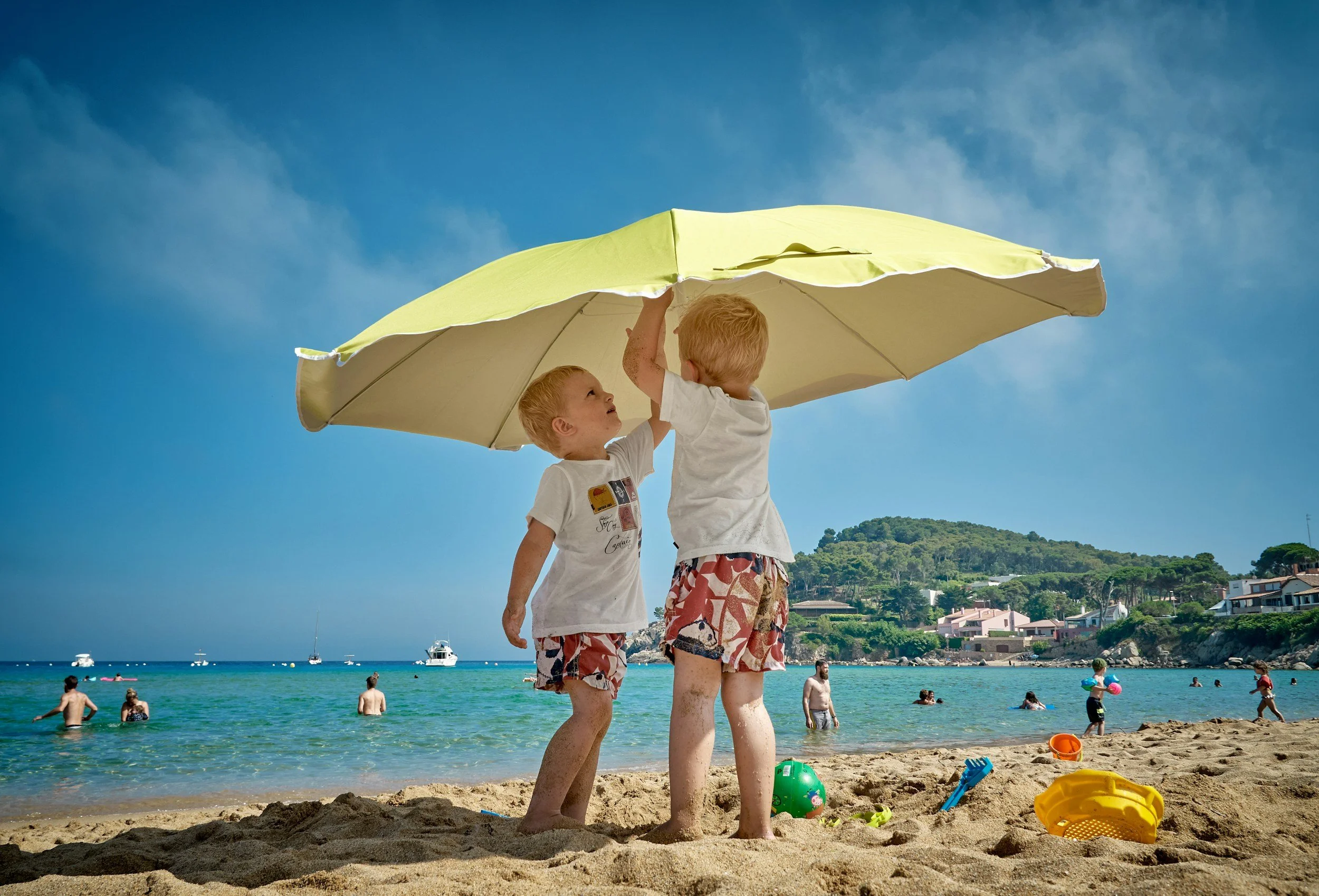
Tips for Staying Safe in the Sun
Choose the Right Sunscreen
Look for a broad-spectrum sunscreen with an SPF of 30 or higher – SPF 50 is even better for sensitive or scarred skin. Mineral-based sunscreens containing zinc oxide or titanium dioxide are often recommended for sensitive skin because they sit on top of the skin rather than absorbing into it. Apply sunscreen generously and evenly, covering all exposed areas, including ears, the back of the neck, and the tops of feet.
Reapply every two hours, and more often if swimming or sweating. One application at the start of the day is not enough, no matter how high the SPF.
Cover Up When You Can
Sun-protective clothing (rated UPF 50+) is one of the best tools for protecting sensitive skin! Many brands now make lightweight, breathable options that are comfortable even in the heat. Wide-brimmed hats offer great coverage for the face, ears, and neck, while UV-blocking sunglasses protect the eyes and the delicate skin around them.
For areas with grafted or newly healed skin, a lightweight long-sleeved shirt or rash guard can provide consistent protection without the need to constantly reapply sunscreen to those specific areas.
Seek Shade During Peak Hours
UV rays are strongest between 10 AM and 4 PM. Whenever possible, plan outdoor activities for the early morning or later afternoon, and take breaks in the shade throughout the day. This is good advice for everyone, but especially important for children with sun-sensitive skin.
Stay Hydrated
Heat and sun exposure can lead to dehydration quickly, especially in Florida summers. Encourage kids to drink water regularly throughout the day, even if they don't feel thirsty. Keeping skin moisturized from the inside out also helps support its overall health and resilience.
Know the Signs of Sunburn
Even with precautions, sunburn can happen. Signs include redness, warmth, tenderness, and in more severe cases, blistering or swelling. If a child with burn scarring develops a sunburn, contact their medical provider for guidance, as treatment recommendations may differ from those for typical sunburn. For mild cases, cool (not cold) water, gentle moisturizer, and staying out of the sun while healing are important first steps.
Talk to Your Child's Care Team
Every burn survivor's skin is different, and what works for one child may not be the best approach for another. Always follow the recommendations of your child's burn care physician or specialist, especially when it comes to specific scar areas or recently healed grafts. Some providers may recommend additional protective measures or specific products for their patients.
Sun Safety Is for Everyone
While these tips are particularly important for burn survivors, sun safety is something every family should practice. Teaching children early that sunscreen, hats, and shade breaks are normal parts of spending time outdoors builds habits that protect their skin for life.
At Camp Amigo, we make sun safety a natural part of our camp routine, because every camper deserves to make memories outdoors without worry. Our trained staff and medical volunteers ensure that all campers, including those with sensitive skin, are protected and cared for throughout the week.
Camp Amigo 2026 Is Almost Here — Apply Today!
The countdown is on! Camp Amigo 2026 takes place July 20–24 at Camp Anderson in Old Town, FL, and we can't wait to welcome our campers for a week of archery, fishing, canoeing, campfires, a talent show, and so much more. Open to burn survivors ages 7–17 who have been treated by a physician, the camp is completely free thanks to the generous support of our sponsors and donors. Space is limited, so if you know a child who would benefit from this experience, encourage them to apply now atcampamigo.com. Let's make this summer one they'll never forget!
Camp Amigo is operated by the Children's Burn Camp of North Florida, Inc., a 501(c)(3) nonprofit organization dedicated to providing burn-injured children a place to heal, connect, and thrive. For more information or to support our mission, visitcampamigo.com.